What Cutting Out Gluten Really Cost Me
I was “healthy,” but was I well?
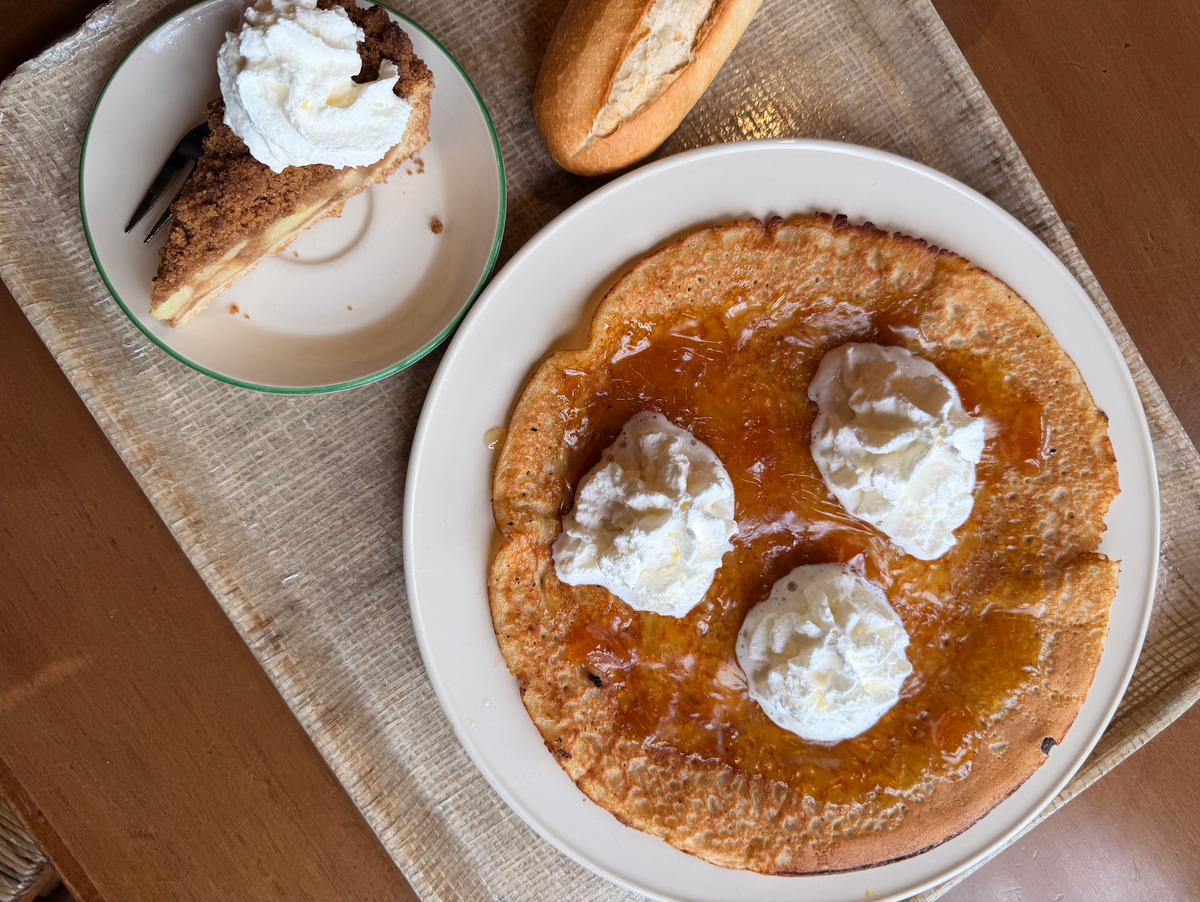
“You also don’t eat gluten, right?” I was in my cousin’s apartment in Krakow, where she glistened with sweat while simultaneously preparing two giant salads, a vegan lentil curry for me, and chicken for everyone else. She didn’t mean it as a dig, but I still responded like a teen bum-puffing a ciggy to look cool. “Oh, it’s totally okay, I’m gluten-flexible,” I said, trying to reassure her that the meal she’d just spent hours preparing would not be scraped into the trash.
Only, I was absolutely not chill. I was both embarrassed about being the most annoying person on Earth and quietly anxious as hell that I was about to undo months of work.
I’d spent the past year following a vaguely “anti-inflammatory” diet driven by the earnest belief that it would fix me. I was already mostly vegetarian. Then I pretty much stopped drinking, even on celebratory occasions, to protect my sleep and ward off the constellation of hormonal pimples that tend to follow. I tried to stick to one cup of coffee a day, with a splash of organic soy milk. And after a lab test revealed early signs of Hashimoto’s, an autoimmune disease in which the body attacks its own thyroid gland, a naturopathic doctor recommended I eliminate gluten.
My friends thought the advice was either woo woo bullshit or a slippery slope towards disordered eating. I didn’t care. While bread has never made me feel anything but a flood of dopamine, my quarterly blood tests showed a steady decline in thyroid antibodies without it. Those levels aren’t necessarily a reliable measure of disease activity, and there was no real way to know whether ditching gluten had anything to do with the results, but it felt like something I could do to stave off the possibility of a boinked thyroid and a lifetime of pills.
Though I didn’t physically feel a whole lot different during my year of rigidity and rumination, the numbers motivated me like miles racking up on a treadmill. Who cared if my pasta was now made of corn, if my bread tasted like drywall, if I couldn’t take a whopping bite of the bouncy pastries I made at work? I had the competitive edge on sickness. This is the sneaky-ass logic baked into modern wellness culture: If self-denial produces improvement, then self-denial becomes not just psychologically obligatory — who wouldn’t want to get better? — but practically virtuous.