The Messy Politics of Naming Vegetables
What colonialism erased from our food.
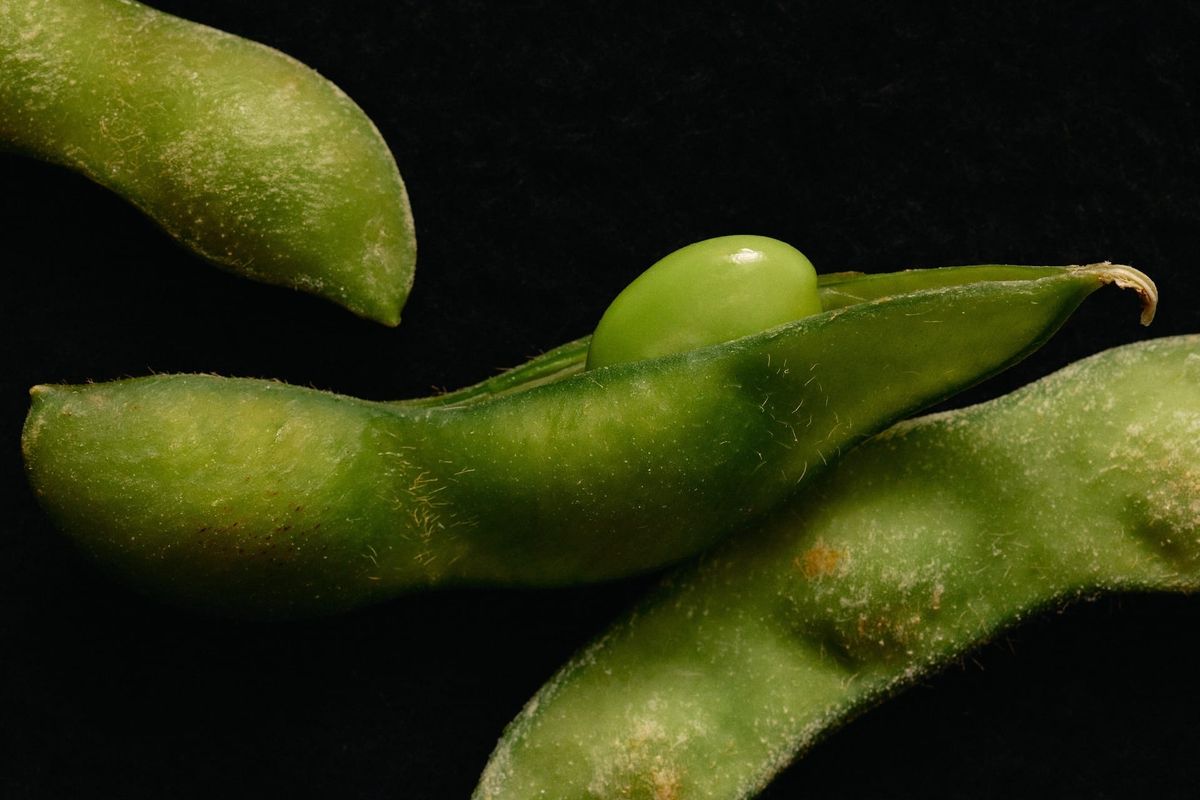
We often come to know our vegetables through the senses. The earthy-sweet perfume of Capsicum annuum; the lacy symmetry revealed as a knife glides through crisp, juicy Nelumbo nucifera; the satisfying crack and sugary burst of Daucus carota. For most of us, those cues are enough. Without thinking, we know what to call these things: pepper, lotus root, carrot.
However, each of those vegetables has thousands of cousins, and relying only on their simple monikers is like trying to identify a human by their first name only.
Take Hopniss, a Native American plant prized for its knobby, protein-rich tubers. We’ve referred to it here by its traditional Lenape name, but it also answers to potato bean, wild bean, Indian potato, the Algonquian openauk, and groundnut. Meanwhile, in West Africa, ask for groundnut and you’ll get something vastly different: Arachis hypogaea, better known as the peanut.
The same vegetable can also go by different names depending on where it travels. What the British call courgette is zucchini in Australia and the US but baby marrow to English-speaking South Africans. Sometimes this name-sharing even happens between the plants we eat and the ones we forget to water in our living rooms: elephant ear describes both the edible tuber called taro and a showy ornamental houseplant with similarly broad, heart-shaped leaves.
For most of us, it’s not that deep — a potato is the thing that looks and tastes like a potato. But those studying these plants need precision.
Swedish botanist Carl Linnaeus gave us the foundation of modern taxonomy in the 1700s: a Latinized binomial naming system that standardized how we group living organisms. (Consider Solanum lycopersicum: Solanum is the genus, which includes potatoes and eggplants, while lycopersicum indicates the tomato species.)
“Botany as a discipline was built hand in hand with European colonialism.”
While these scientific names may seek to make sense of our vast natural world, edible plants live somewhere far wilder: in the messy, emotional language of our daily lives. The common refrain of “What’s in a name?” has an easy answer: “So much.” Words help us talk about and delineate plants, but they may also carry the outdated values, biases, and worldviews of those who coined them.
“Botany as a discipline was built hand in hand with European colonialism,” writes horticulturist Ethan Fenner in a blog post for UC Berkeley’s Botanical Garden. For hundreds of years, vegetables were “discovered” and documented “through a lens of profit,” he continues, “and when economical plants or other natural resources were found, they were taken.”
While you can’t name a plant after yourself, historically, many binomials honored “botanical patrons, scientists, kings, and mythological figures,” says Kanchi Gandhi, Senior Nomenclatural Registrar at Harvard University Herbaria. Most were from the Global North, and their tributes to imperial ambition live on.
“We give names to things that are important to us.”
Take ’Akkoub, a spiny thistle prized in Palestinian cooking for its tender, artichoke-like buds. Its official name, Gundelia tournefortii, doesn’t honor its original Levantine foragers, but two European botanists who documented the plant in the 1700s.
“We give names to things that are important to us,” says Nancy Turner, an ethnobotanist who has spent over 50 years recording traditional plant knowledge with Native communities. Many Indigenous folk names doubled as instruction manuals—describing when to harvest, how to prepare, what the plant could do.
When Native children were forced into residential schools and punished for speaking their languages, and Europeans replaced those words with Latin ones, entire vocabularies disappeared. As Turner puts it: “Lost names, lost knowledge.”
Over the past few years, we’ve removed Confederate-era tributes from schools. Winched away racist statues. And renamed streets, mountains, and parks that once honored objectively terrible humans. A similar reckoning has begun among scientists. Some are pushing to incorporate Indigenous language into scientific classifications and to update existing terms.
These names, New Zealand researchers Shane Wright and Len Gillman write in a 2020 paper, “embody history, a sense of place, and a right to belong.”
The practice is simpler than it might sound. As Gandhi explains, “Latinizing any native word is easy.” Blue Camas offers a clear precedent. Turner’s linguistic work reveals that both the scientific name (Camassia quamash) and the common name have clearly been informed by Indigenous nomenclature: the Nez Perce word q’émes appears to have been combined with the Sahaptin word xmash or xmaash.
Change is slowly happening. In 2024, the International Association for Plant Taxonomy — the body that governs botanical naming conventions — agreed to replace 218 epithets built from a historically racist term used during South Africa’s apartheid. Gandhi, who attended the Congress and voted on the measure, hopes the move “will deter present generations from coining such names.”
Still, these debates reveal an important question: How do we reshape scientific conventions to honor not just the plants but also the people who first spoke their names? Whatever we call them now will say something about us, too.
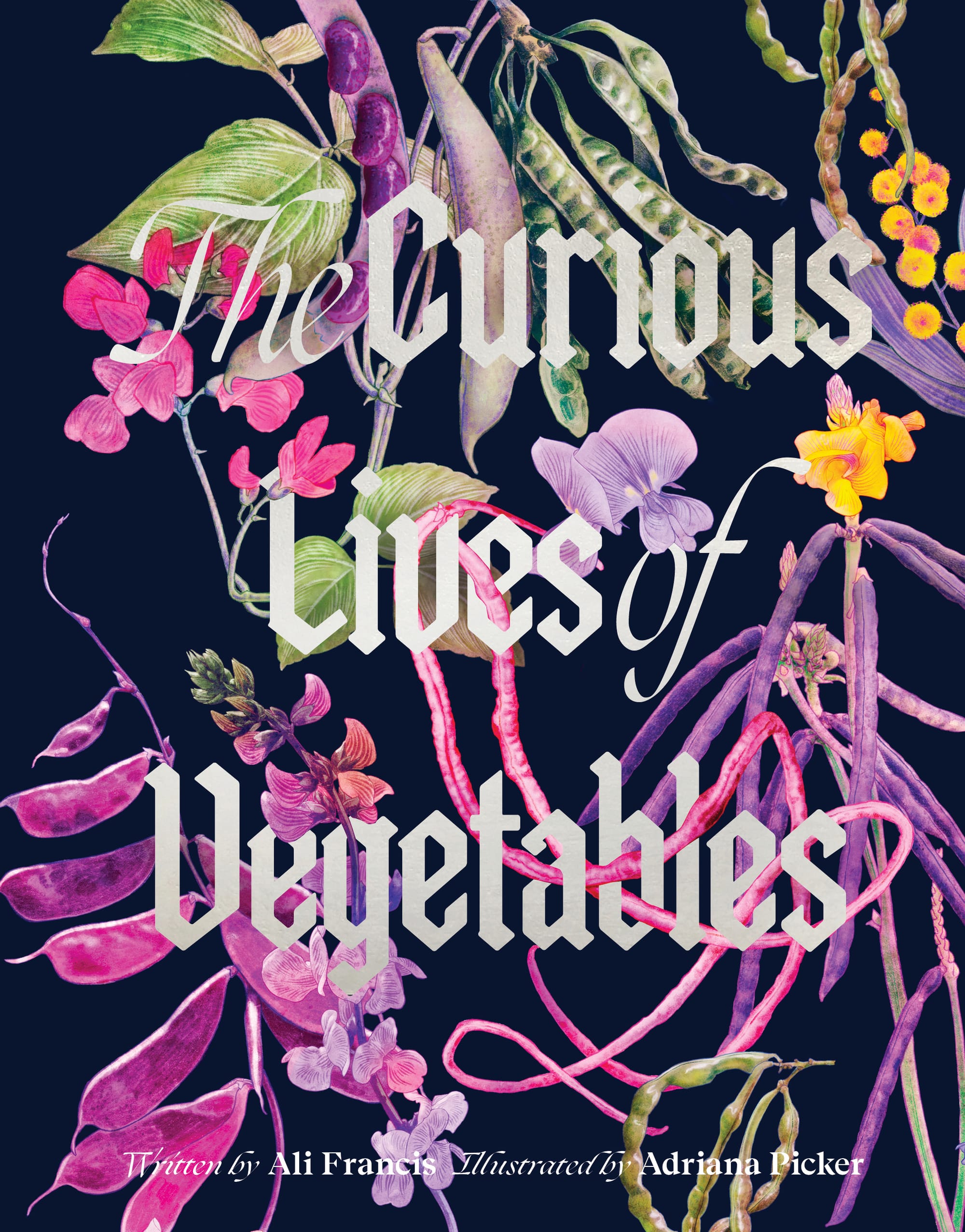
Excerpted with permission from The Curious Lives of Vegetables: An Artful Exploration of the Wonderful World of Edible Plants, Their History, and Their Crucial Role in Our Future by Ali Francis, published by Hardie Grant North America, September 2026, RRP $30.00 Hardcover. Pre-order a copy here.