The Most Overlooked Wine Country on Earth
Camden Hauge Sin is opening the portal to China’s fast-growing wine world.
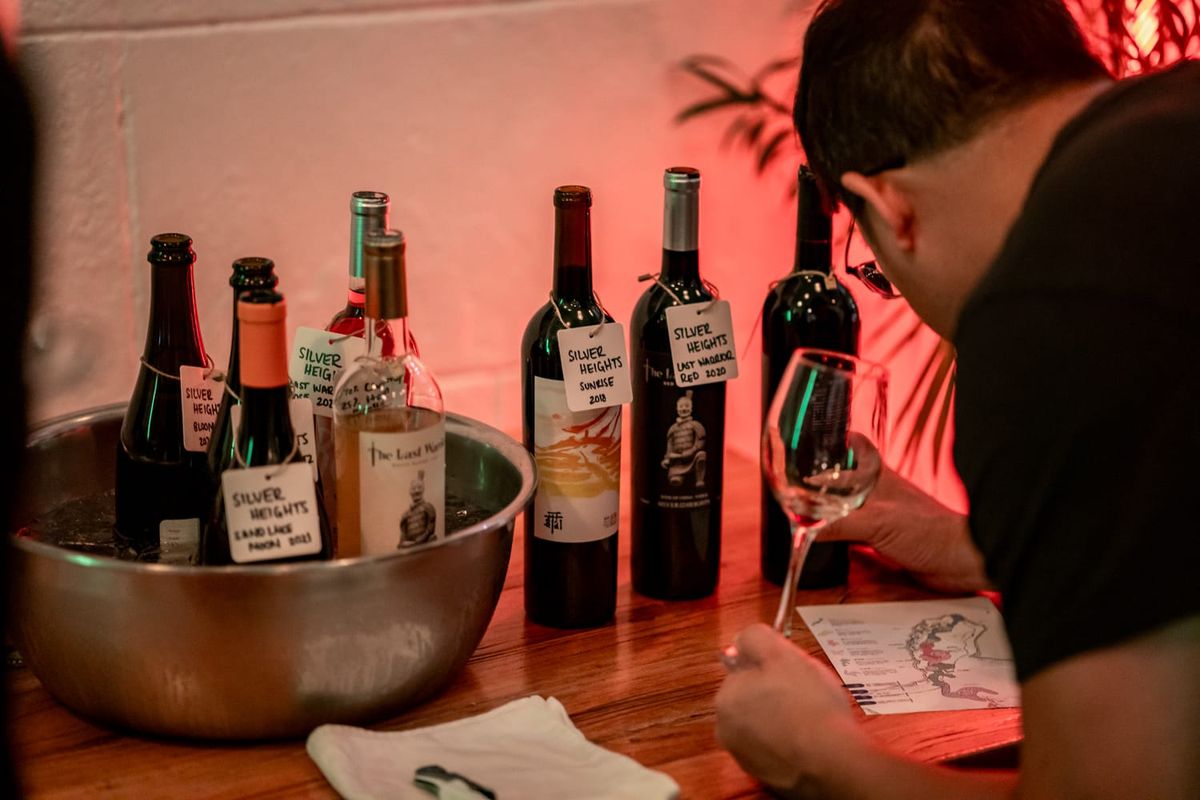
This week I spoke with Camden Hauge Sin, founder of China Wine Club. I first met Hauge Sin at a tasting event at A Space Gallery, where she paired contemporary art by East Asian artists with wines from across China. I went in knowing nothing about Chinese wines and came away so enlightened and thoroughly obsessed with every pour.
Getting Americans on board with wines that aren’t from Burgundy or Montepulciano is a feat, but Hauge Sin reminds us that the oldest evidence of wine, dating back to around 7000 BCE, was found in China. Here, we talk about the incredible breadth of wine-growing regions across the country, the bureaucratic hurdles of importing these bottles into the States, and how to approach Chinese wines.
How did you get into Chinese wines?
Similar to most things in my life, kind of by accident! I moved to Shanghai back in 2012, started opening restaurants (a lifelong dream!), and in the course of expanding my hospitality group, I opened a natural wine bar called Bird in 2017. In developing our wine program, I kept thinking we should feature local wines on our list, then a rarity, and I couldn’t source many I was excited about at that time, so increasingly I started tasting everything I could find, visiting vineyards, and eventually also hosting a wine festival with a dedicated Chinese wine section.
China Wine Club itself began as monthly wine parties at one of my venues in Shanghai, each focused on a different region, producer, pairing, theme, etc; I only decided to focus on bringing the wines abroad after seeing how many producers I admired were struggling to sell their wines in China, and so in 2025 I brought my first small shipment of bottles to New York, hoping to spark a “Judgment of Paris” moment and raise the profile of Chinese wines around the world.
It’s a very exploratory time in Chinese winemaking — the winemakers have been educated around the world and we don’t have any regional rulebooks or historical precedents we need to follow, so it often allows for joyful experimentation.